Reverse Image Search: Jak najít, kde se objevuje fotka vašeho dítěte
When you upload a photo of your child online, it can travel farther than you think. Reverse image search, technika, která hledá stejné nebo podobné obrázky po celém webu na základě jedné fotografie. Also known as obrácené vyhledávání obrázků, it lets you drag or paste a picture to find where else it appears — on forums, social media, or even shady websites. This isn’t science fiction. It’s something real parents need to know — especially after reading stories of kids’ photos ending up in inappropriate places.
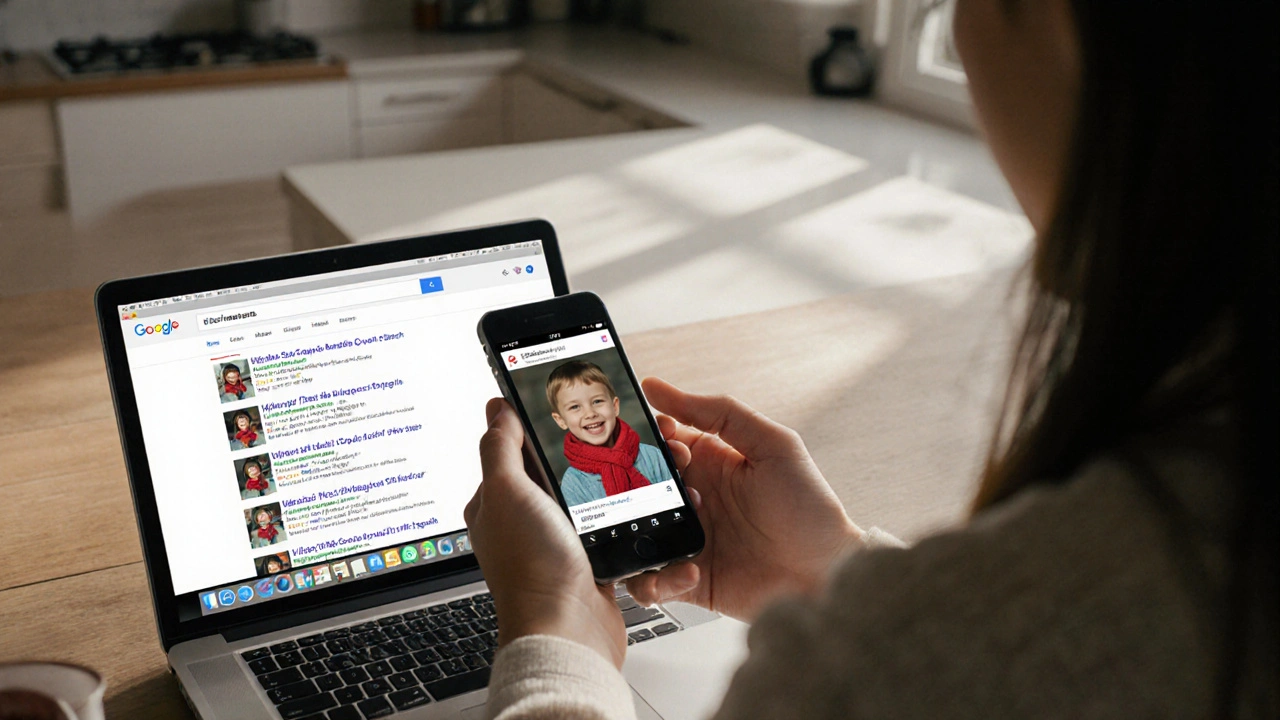
Many parents don’t realize that once a photo is online, even if you delete it from Instagram or Facebook, copies might still exist. Tools like Google Images, nejpoužívanější nástroj pro obrácené vyhledávání obrázků or TinEye, speciální vyhledávač, který hledá přesná shodování obrázků, i když jsou upravené can track those images across the web. You don’t need to be tech-savvy. Just open your browser, go to images.google.com, click the camera icon, and upload a photo. In seconds, you’ll see where else it’s been used. This is how you find out if someone saved your child’s picture from a family group chat and posted it somewhere else — maybe even with false labels or in harmful contexts.
It’s not just about finding bad content. Reverse image search helps you understand how easily digital footprints grow. A photo you shared on WhatsApp with grandparents might end up on a public blog, a meme page, or a profile of someone pretending to be your child’s friend. And once it’s out there, you lose control. That’s why checking this regularly matters — not just once, but every few months. Combine this with knowing where to securely store family photos, bezpečná místa, jako jsou šifrované cloudy nebo externí disky, kde se fotky nezveřejňují and you’re not just reacting — you’re protecting.
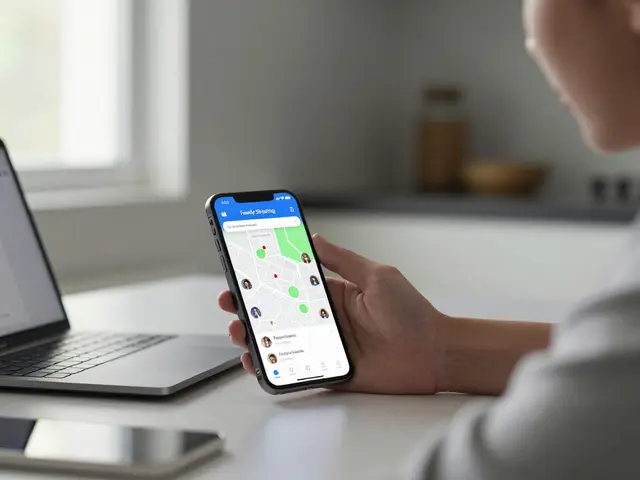
You’ll find real examples in the posts below. Some show how parents used reverse image search to discover their child’s photo on a random forum. Others explain how to use it with Google Family Link or Apple’s tools to monitor what gets shared. You’ll also learn what you can’t do — like blocking every copy once it’s out — and what you actually can: catch it early, talk to your child about boundaries, and take action before it spreads.